
Penetration testing, often referred to as “pen testing,” is a crucial aspect of modern cybersecurity practices. As organizations face increasingly sophisticated cyber threats, understanding and mitigating potential vulnerabilities within their IT infrastructures has become paramount. Therefore, this process involves simulating cyberattacks to evaluate the security of systems, networks, and applications. Consequently, a proactive approach helps identify weaknesses before malicious actors can exploit them, ensuring robust defenses against potential breaches.
What Is Penetration Testing?
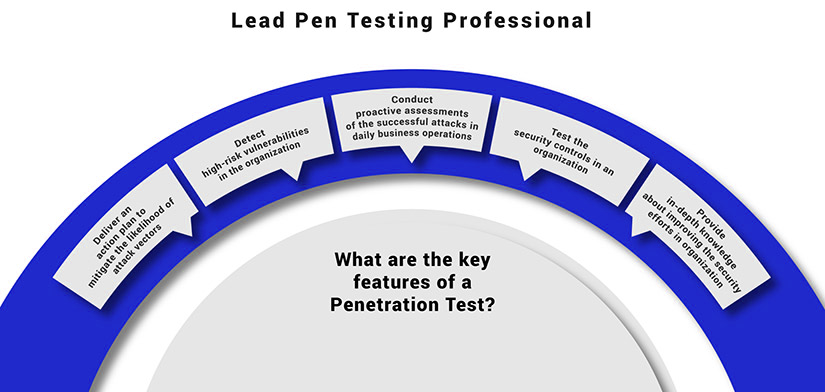
Penetration testing is the process of evaluating the security of an IT infrastructure by attempting to exploit potential vulnerabilities in operating systems, misconfigurations, application flaws, or user behavior. Furthermore, it is an organized effort to assess the effectiveness of security measures and uncover any potential weaknesses or hidden access points within computer systems. These vulnerabilities could be exploited by hackers and cybercriminals. As a result, this process serves as an advanced tool for detecting, analyzing, and establishing protective controls within an IT infrastructure, ultimately reducing the risk of financial losses due to malicious activities.
Key Aspects
- Evaluating Security: Systematically assessing the security measures in place.
- Exploiting Vulnerabilities: Identifying and attempting to exploit potential weaknesses.
- Organized Assessment: Conducting structured tests to uncover security gaps.
Importance of Pen Testing
In the ever-evolving technology landscape, organizations continually confront cybersecurity threats that can disrupt their business operations. Thus, pen testing offers a comprehensive assessment of an organization’s cybersecurity measures. By simulating real-world attacks, testers can identify weaknesses that automated tools might miss. Consequently, this provides a deeper understanding of an organization’s security posture.
Professionals in this field delve into various aspects of an organization’s cybersecurity framework and provide detailed solutions for mitigating cybersecurity risks. Moreover, a Certified Lead Pen Tester aims to master a repeatable and well-documented methodology that adheres to ethical standards.
Key Reasons for Importance
- Understanding Cybersecurity Threats: Keeping pace with evolving cyber threats.
- Comprehensive Assessment: Detailed evaluation beyond automated scanning.
- Actionable Insights: Providing practical solutions to mitigate risks.
- Ethical Standards: Adhering to ethical guidelines to ensure responsible testing.
Benefits of Certification
Attaining certification as a Lead Pen Testing Professional empowers you to:
Key Benefits
- Identify and Analyze Threats: Enhance your ability to recognize and assess an organization’s susceptibility to cybersecurity threats.
- Enhance Foundational Skills: Improve your foundational cybersecurity audit skills.
- Knowledge Acquisition: Gain in-depth knowledge of the techniques, tools, and hacking methods employed by penetration testers.
- Efficient Resource Management: Learn to manage time and resources effectively for conducting thorough testing.
- Industry Recognition: Achieve international industry recognition as a legitimate and ethical cybersecurity professional.
Penetration testing is an indispensable component of modern cybersecurity strategies. It plays a vital role in identifying and mitigating potential vulnerabilities within IT infrastructures. By attaining certification, professionals can enhance their skills, gain valuable knowledge, and achieve industry recognition, making them invaluable assets in the fight against cyber threats. Ultimately, understanding and implementing these tests is essential for any organization committed to safeguarding its digital assets and maintaining robust security measures.
Upcoming Trainings
ISO/IEC 27001 Lead Auditor
-
16 November 2026
-
9h00 to 16h00
-
Les Berges du Lac — Tunisie
ISO 42001 Lead Implementer
-
30 November 2026
-
9h00 to 16h00
-
Les Berges du Lac, Tunis - Tunisie
CISSP Training Session
-
21 December 2026
-
9h00 to 16h00
-
Les Berges du Lac, Tunis - Tunisie
QHSE Foundation Training
-
21 December 2026
-
9h00 to 16h00
-
Les Berges du Lac, Tunis - Tunisie